


NEW YORK CITY LIQUOR LIABILITY LAWYER
The Dram Shop laws were enacted to hold those that sell alcohol responsible for accidents and injuries that result from improper sales. This is a “strict liability” tort, which means that there is an “absolute duty” not to sell alcohol to certain categories of people. It is unlawful to sell liquor to any person “actually or apparently” under age 21 or to any person that is “visibly intoxicated.” This provides an additional source of recovery for victims of drunk drivers. These are not easy cases to prove, there must be a thorough investigation including interviewing witnesses. Sometimes the hiring practices of the establishment must be investigated along with all the other facts and circumstances. This is why hiring an experienced New York City liquor liability lawyer is so helpful in these cases.
This is what needs to be proven:
- Your accident was caused by a person that was intoxicated;
- The sale of the alcohol to the intoxicated person was unlawful. (Either “visibly intoxicated” or “actually or apparently” under 21)
- The alcohol sale contributed to the person’s intoxication (ie; they actually drank it.)
The hardest part to prove is that the person was “visibly intoxicated,” as this is a subjective standard. It might be necessary to find and interview patrons to testify as witnesses as it is unlikely that the employees at the establishment will testify against their employers. This is when an experienced New York City liquor liability attorney will be able to nuance the situation.
How to show a person was “visibly intoxicated”:
The word “dram” is an old-fashioned word for a small unit of alcohol. This law provides that it is the duty of businesses that serve alcohol to make sure they do so responsibly. Some ways to establish “visible intoxication” are:
- Slurred speech
- Very loud speech
- Inability to stand straight
- Glazed or “glassy” eyes
- Aggressive behavior or fighting
- Drooping eyelids
- Unfocused or lack of eye contact
Dram Shop liability also arises in cases of bar and nightclub assaults. When too much alcohol impedes inhibitions and causes aggressive behavior, an establishment can be held liable. The individual that caused your injuries and the bar, nightclub or restaurant are all responsible, but it is much more likely that the business will have insurance to cover this type of claim. If you have been injured due to a violation of the “Dram Shop” Act in New York City (Queens, Brooklyn and Kings County, The Bronx, Staten Island and Richmond County, Manhattan or New York County or Long Island, we will leave no stone unturned to get you the justice you deserve. Call New York City liquor liability lawyer Wittenstein & Wittenstein at 718-261-8114 for a free consultation.
NEW YORK CITY LIQUOR LIABILITY LAWYER
N.Y. General Obligations Law § 11-101.
(The “Dram Shop” Act)
Compensation for injury caused by the illegal sale of intoxicating liquor:
1. Any person who shall be injured in person, property, means of support, or otherwise by any intoxicated person, or by reason of the intoxication of any person, whether resulting in his death or not, shall have a right of action against any person who shall, by unlawful selling to or unlawfully assisting in procuring liquor for such intoxicated person, have caused or contributed to such intoxication; and in any such action such person shall have a right to recover actual and exemplary damages.
2. In case of the death of either party, the action or right of action given by this section shall survive to or against his or her executor or administrator, and the Amount so recovered by either a husband, wife or child shall be his or her sole and separate property.
3. Such action may be brought in any court of competent jurisdiction.
4. In any case where parents shall be entitled to such damages, either the father or mother may sue alone therefor, but recovery by one of such parties shall be a bar to suit brought by the other.
CREDIT(S)
(L.1963, c. 576, § 1; amended L.1980, c. 281, § 20.)

The Accident Was Minor. The Injury Was Not. Why Low-Impact Car Crashes Still Cause Serious Harm
People tend to describe car accidents using the language of property damage. The car wasn’t totaled. The bumper barely dented. The airbags didn’t deploy. Everyone walked away. And yet, weeks later, the pain arrives. This disconnect—between what a crash looked like and what it did—is one of the most common and most misunderstood issues in New York car accident cases. It is also one of the most aggressively exploited by insurance companies. In Queens, where traffic is dense, speeds are inconsistent, and collisions often occur in close quarters, many crashes fall into the category insurers like to call “minor impact.” The phrase sounds scientific. It isn’t. It’s a financial label, not a medical one. Vehicle Damage [...]
Gravity: CEO Politics
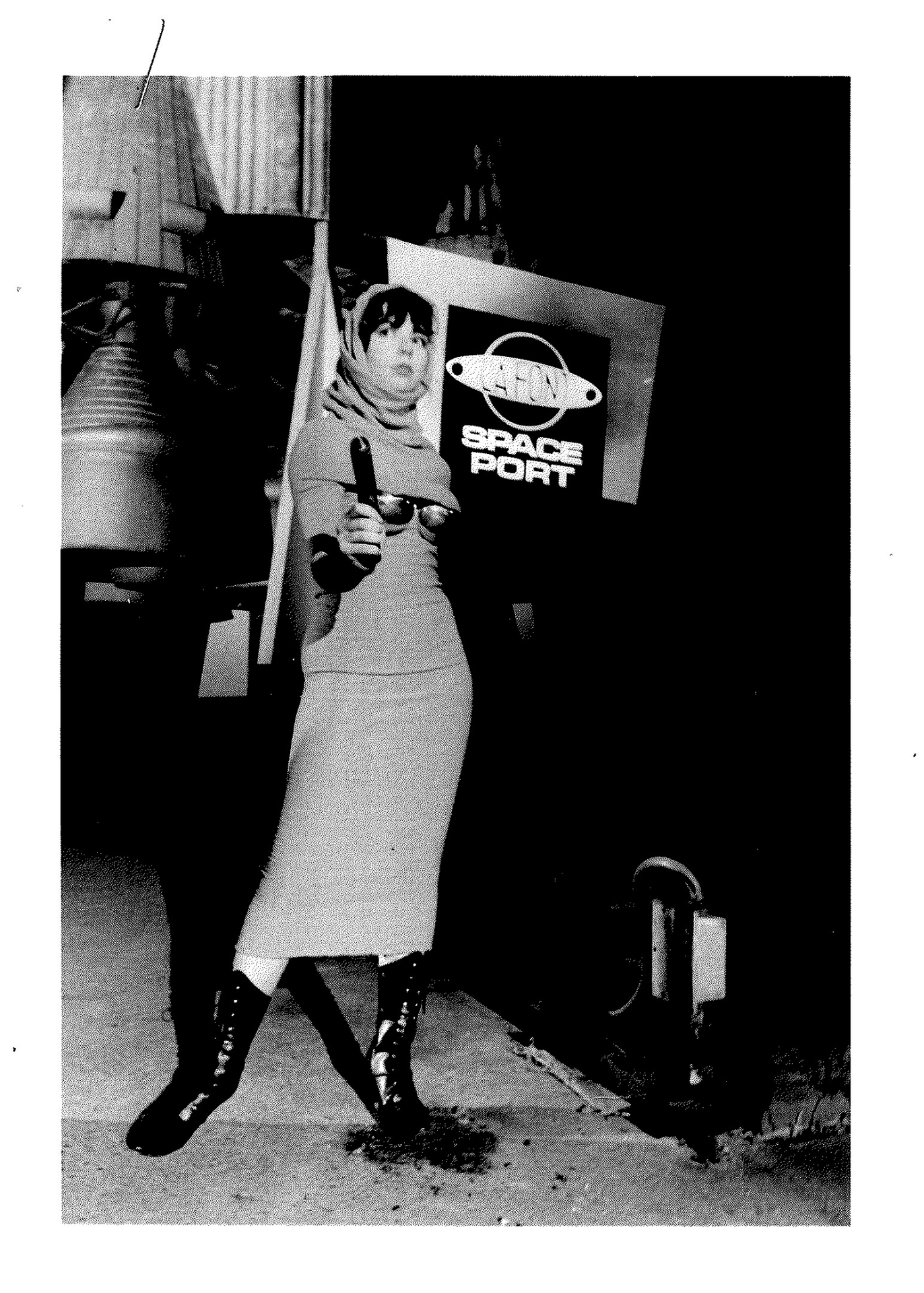
Before Donald Trump turned American politics into corporate spectacle, No Such Thing as Gravity predicted exactly that world: a CEO-in-chief who governs like a brand manager and treats the country like a company. Policies become product launches. Truth becomes marketing copy. Leadership becomes performance. The film’s portrayal of a profit-obsessed leader is disturbingly familiar. Decisions that affect millions are reframed as business calculations. Human lives become numbers on a spreadsheet. This collapse of morality into metrics is the film’s most chilling insight — and its most prophetic. See this prescient political satire at the Spectacle Theater in Brooklyn, part of the Multiple Futures trilogy.
Betaville: Comedy of Capitalism
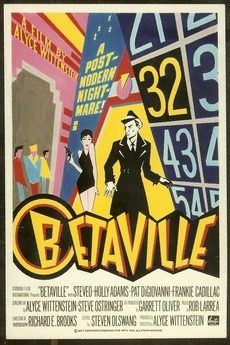
Most dystopias are grim. Betaville is bright, loud, absurd — and that’s what makes it devastating. Instead of showing us a dark authoritarian future, it reveals the ridiculousness of our own world by pushing capitalist culture to its comedic breaking point. The film’s exaggerated fashion, extravagant characters, and relentless pursuit of trendiness showcase the ways in which capitalism creates arbitrary hierarchies. People compete not for survival, but for relevance. Success isn’t measured in ethics or intelligence, but in visibility—a concept more relevant now than ever in the influencer age. Why does the comedy hurt? Because it’s true. The film exposes the irrationality of capitalist systems that prey on insecurity, reward superficiality, and punish nonconformity. In [...]
Betaville: Cruelty of Style
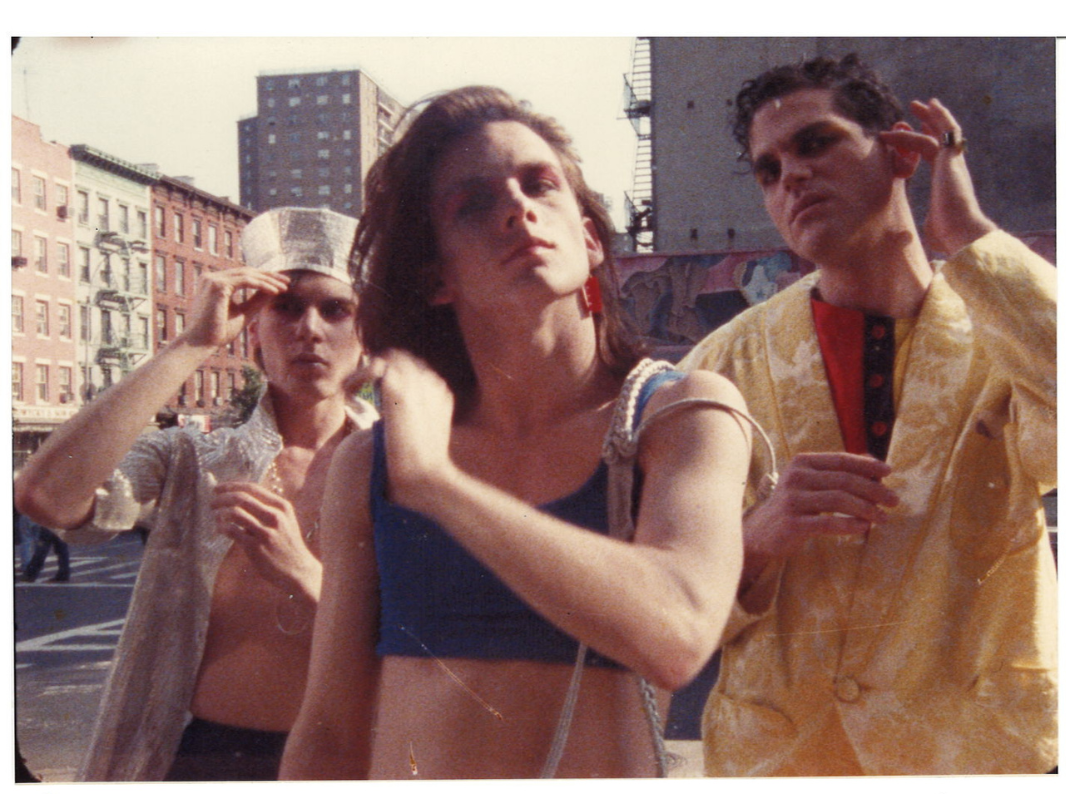
In Betaville, aesthetic judgment has evolved into a form of social control. Looking wrong isn’t embarrassing — it’s dangerous. The film imagines a world where falling out of style is a capital offense, a reality in which fashion determines value and conformity determines survival. This mirrors one of the harshest truths of modern culture: beauty standards and trend cycles exert tremendous emotional pressure, especially on teens and young women. Social media has turned public evaluation into a 24/7 spectator sport. A single post can crown someone “in” or exile them as “cringe.” Betaville simply makes literal what many already feel: that style is a form of power, and losing it is a kind of death. [...]

Betaville: Capitalist Dystopia
Most dystopias warn us about authoritarian governments, surveillance states, or collectivist control. Betaville does something far more disruptive: it imagines a world ruled by capitalism, fashion, and the aesthetics of power. In this universe, falling out of style is not a social misstep — it’s a threat to your safety, your identity, even your standing as a person. That’s what makes Betaville such a rare dystopia. Instead of government tyranny, the oppressor is trend culture weaponized. Fashion dictates law. Aesthetic taste ranks higher than ethics. And value, both personal and social, is determined by image. This is capitalism at its most absurd and its most dangerous — a system where the marketplace decides who deserves [...]

Environmental Amnesia
Perhaps the most haunting thing about The Deflowering is not what we see, but what the characters never see at all. They live in a world without flowers, without lush landscapes, without the textures of wild nature—and they don’t even know what they’re missing. This is more than a poetic detail; it’s a profound commentary on environmental amnesia and how easily people can adapt to a diminished world. When you grow up never seeing butterflies, you don’t mourn their absence. When the sky is always hazy, you don’t realize the air used to be clearer. In The Deflowering, the corporation exploits this fact. It has scrubbed history, hidden the evidence of its own role in [...]